Medical Trauma Therapy in Seattle
Something happened to you inside the medical system. And whatever it was, part of you is still there.
Not in a dramatic way that is easy to point to or explain. Just a persistent sense that something was taken, or broken, or never acknowledged. A body that tenses before you can think when you walk into a clinic. A distrust of people in positions of authority that you cannot entirely reason your way out of. A feeling of emptiness or unreality that settled in at some point and has not fully lifted since.
Medical trauma is not always loud. It does not always look like what people imagine trauma looks like. It can be quiet, pervasive, and almost impossible to put into words, especially when the people around you seem to have moved on, and the world keeps telling you that you should too.
But your nervous system knows what happened. Your body knows. And the fact that no one around you named it as trauma does not mean it was not one.
If something in these words feels familiar, you are in the right place.
What Medical Trauma Is
Medical trauma is not only what happens when something goes catastrophically wrong, though it absolutely includes that. It is the traumatic impact of any medical experience in which a person felt their life was threatened, their body was violated, their trust was broken, or they were overwhelmed by fear, pain, or helplessness in a moment when they had nowhere to go and no choice but to endure.
It can come from a single devastating event. A surgery that went wrong. A diagnosis delivered without care. An emergency that left no time to prepare. A procedure in which you felt invisible, dismissed, or powerless.
It can also build slowly, over years of being managed rather than truly helped. Of being told that answers are coming, that a cure is on the way, that you simply need to be patient, while the thing you were promised never arrived. That kind of slow erosion, hope extended and then quietly withdrawn, is its own form of trauma. It wears something down in a person over time that is not always easy to name, but that leaves a mark just as real as any single shattering moment.
Medical trauma can also come from the way providers responded, or failed to respond. From the silence after something went wrong. From the absence of an apology, an explanation, or even an acknowledgment that something happened at all. From being told less than the full truth by the people you trusted most to tell it to you.
Why Medical Trauma Is So Often Unrecognized
One of the most painful things about medical trauma is that the world rarely recognizes it as trauma at all.
We are taught to be grateful when we survive. To focus on the physical recovery and leave the emotional wreckage alone. To trust the professionals and the institutions, and when something goes wrong, to find a way to accept it and move on. The medical system itself is rarely equipped to attend to the psychological aftermath of what it puts people through. Providers are focused on the body, on the procedure, on the outcome. The inner world of the person going through it is often not part of the conversation.
And so people are left to carry something enormous, largely alone, in a culture that keeps telling them they should feel lucky.
If you have ever been made to feel that your psychological response to a medical experience was an overreaction, that you were being too sensitive, that you should simply be glad it is over, I want to say clearly: what happened to you was real. Your response to it is real. And the fact that no one around you named it as trauma does not mean it was not one.
What Medical Trauma Does to the Body and Mind
Medical trauma does not stay in the past. It lives in the body, in the nervous system, in the way a person moves through the world long after the medical event itself is over. It can feel like a kind of emptiness, a hollowness at the center of things that is hard to explain to someone who has not felt it. Like a freezing, a coldness that settles in and will not fully lift. Like being suspended in something unreal, as though the world is happening at a slight remove and you are watching it from behind glass rather than fully living inside it.
It can show up as a startle response that fires before you can think, as a body that braces the moment you walk into a medical setting, as an inability to trust that you are safe even when the immediate danger has passed. As dreams that return you to what happened. As a vigilance that never fully relaxes. As a sense that your own body has become a place you are not entirely sure you can trust.
For many people, medical trauma also reshapes how they relate to others. When the people and institutions you depended on most completely failed you, or hurt you, or told you less than the truth, the effects do not stay contained to the medical context. They seep into everything. Into how easy or difficult it becomes to trust someone. Into whether you believe what people tell you. Into how close you allow yourself to get to another person before something in you pulls back, waiting to be let down again.
This is not a character flaw. It is what happens when the foundation of trust is broken at a moment of profound vulnerability.
When Medical Trauma Gets Complicated
Medical trauma becomes particularly complex when the institution that caused the harm was the one you had no choice but to trust.
There is a specific and devastating quality to the pain of being harmed or failed by the very people and systems you depended on for your survival. When a surgeon does not tell you the full truth. When specialists manage your hope in ways that turn out to be misleading. When something goes wrong and the response is silence rather than accountability. When you reach for acknowledgment and find instead a wall of professional deflection.
This is what researchers call institutional betrayal, and it compounds the original trauma in ways that can be very difficult to untangle. Because it is not just the event itself that stays with you. It is the realization that the people who were supposed to protect you did not, and that no one came forward afterward to say so. That realization can fundamentally alter how a person relates to authority, to institutions, to the very idea that someone in a position of power will tell them the truth.
It becomes more complicated still when the trauma accumulated slowly, over years of being told that help was coming, that a cure was on its way, that patience was all that was needed. When hope is extended repeatedly and then quietly withdrawn, when the promises of the medical establishment turn out to be empty, something breaks that is different from what breaks in a single acute event. It is a more diffuse wound, harder to point to, but no less real. And it becomes more complicated again when the medical care is still ongoing, when the source of the trauma cannot be left behind because your body still requires treatment, still requires you to return to the rooms and the institutions and the relationships that hurt you. That particular bind deserves its own kind of care.
How I Work With Medical Trauma
Medical trauma therapy with me begins with something that sounds simple but is rarer than it should be: being genuinely believed.
You do not need to justify what happened to you. You do not need to convince me that it was bad enough to count, or that your response to it makes sense, or that you should still be affected by something that the rest of the world has decided is over. You come in with whatever you are carrying, and we start there.
From that foundation of genuine belief and relational safety, the work can go where it needs to go. For many people with medical trauma, the wound lives in the body more than in the story. It is held in the nervous system, in the physical memory of helplessness and shock, in the places where the freezing and the emptiness and the unreality took up residence and have not yet been given permission to leave.
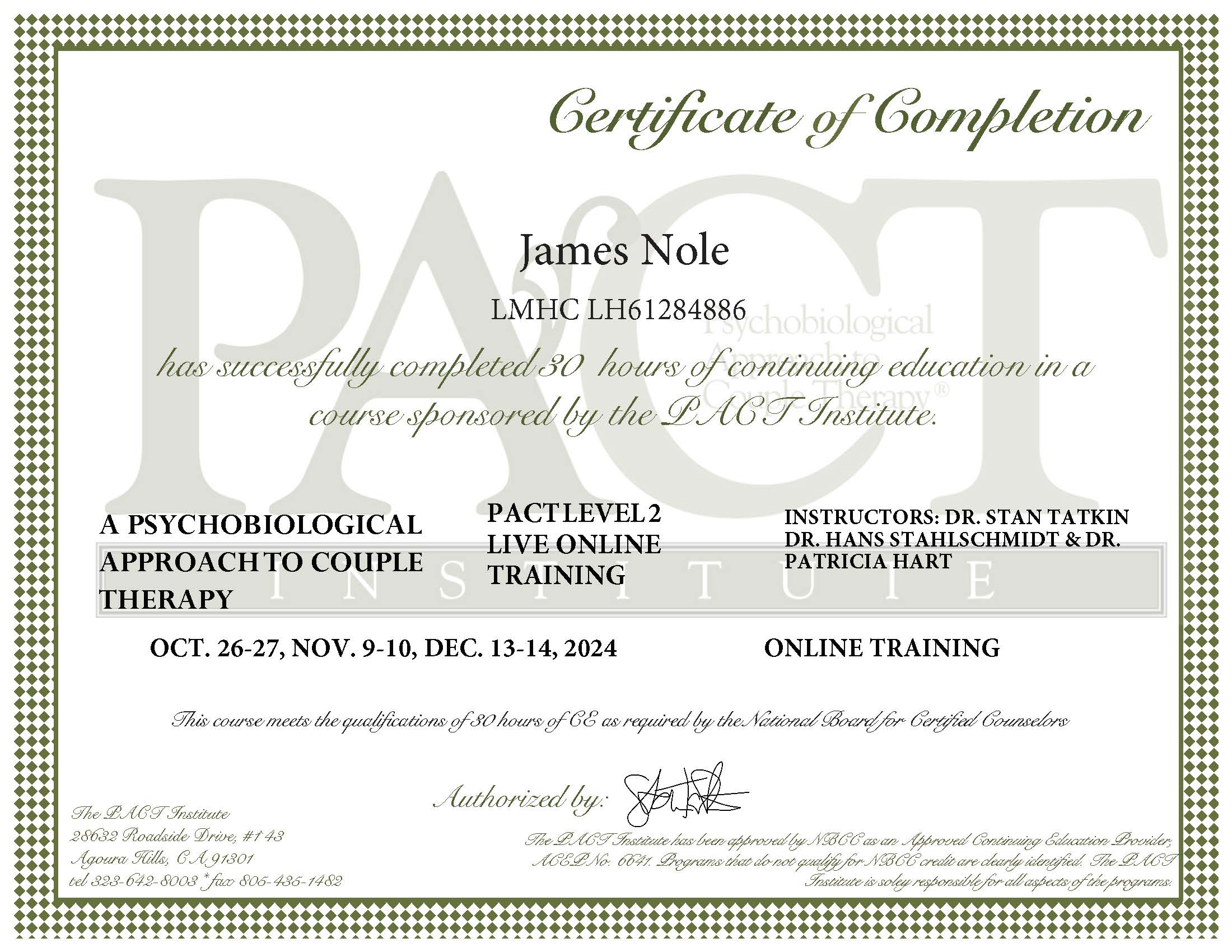
For that dimension of the work, I draw on Deep Brain Reorienting, an approach that begins at the level of the brainstem, where the shock of trauma is first registered, and works gently and carefully through the body's original response to what happened. It does not require you to retell the story in detail. It works at the level where the body is still holding what the mind has already tried to process and move past.
I also draw on clinical hypnosis to reach the layers of the experience that are harder to access through ordinary conversation, the deeper emotional residue, the beliefs that formed in the wake of the trauma about whether the world is safe and whether people can be trusted.
And through the relational psychodynamic foundation of my work, we attend to what the trauma has done to your inner world, to your sense of self, to your capacity to trust and to let others in. Because medical trauma rarely stays contained to the medical context. It reshapes how a person moves through all of their relationships, and that reshaping deserves careful and unhurried attention.
Why I Work With Medical Trauma
This is not abstract clinical territory for me. It is ground I have walked through myself. I began losing my eyesight in childhood to a rare degenerative retinal condition, and for years I was told, by specialists and doctors and the institutions built around my care, that a cure was coming. That help was on the way. That I simply needed to wait. I carried that hope for a long time. I built things on top of it. And over the years, gradually and then all at once, I came to understand that the cure was not coming, and that the people who had held out that hope had not always been fully honest with me about what they knew.
In my mid-twenties, I underwent a surgery intended to help halt the progression of my condition. The surgery failed. And in the aftermath, there was no apology. No full accounting of what had happened or why. No acknowledgment from the medical team that something had gone deeply wrong and that I deserved to know the truth of it. There was institutional silence, and I was left to carry what had happened largely alone.
What that experience gave me, alongside its considerable pain, was a visceral and personal understanding of what it means to be failed by the people and institutions you trusted most. Of what it does to a person when hope is used as a management tool and then quietly withdrawn. Of how that kind of betrayal does not stay in the medical context but finds its way into every relationship, making trust feel dangerous and closeness feel like a risk not worth taking.
I also know what it is to feel the somatic dimensions of that experience, the emptiness, the hollowness, the freezing, the unreality. The way shock does not always announce itself loudly but sometimes simply settles in, like a coldness that becomes the background temperature of your life.
I became a therapist in part because of what I found in my own healing, that the right relationship, with someone genuinely willing to stay present and tell the truth, can reach places that nothing else can. That is what I try to offer every person who comes to me carrying the weight of what the medical world put them through.
Who This Page Is For
Medical trauma therapy in Seattle may be exactly what you have been looking for if any of the following feel true:
You survived something medical and cannot understand why you are not okay. You find yourself avoiding necessary medical care because of what a previous experience did to you. You feel a deep and specific distrust of doctors, specialists, or the healthcare system, and you are not sure how to live inside that distrust while still needing care. You were told for years that help was coming, that a cure or a treatment was on its way, and it never arrived. Something went wrong during a procedure or treatment and no one acknowledged it, apologized for it, or told you the full truth of what happened. The experience changed how you relate to other people, making trust feel dangerous and closeness feel like something you have to be careful about. You feel like part of you is still in the room where it happened, even though everyone around you has moved on. You have never been formally diagnosed with PTSD but something in you knows that what you are carrying has a name.
You do not need a diagnosis to deserve this kind of care. You only need to recognize yourself in what you have read here.
Frequently Asked Questions
Does my experience count as medical trauma even if the procedure was routine?
Yes. Medical trauma is not defined by the severity of the procedure but by the impact of the experience on the person going through it. A routine surgery can be traumatic. A standard diagnostic procedure can be traumatic. What matters is not whether the medical establishment would categorize the event as serious, but what it did to you, in your body, your mind, and your sense of safety in the world.
Why am I avoiding going back to the doctor even though I know I need to?
Avoidance is one of the most common responses to trauma. When a particular context has been associated with overwhelming fear, helplessness, or pain, the nervous system learns to treat that context as a threat, even when the immediate danger is past. Avoiding medical settings is not irrational. It is the nervous system doing its job. Therapy can help the nervous system learn that it is possible to approach medical care again without being flooded by what happened before.
Is it possible to heal from medical trauma while still needing ongoing medical care?
Yes, and this is one of the most important questions in this work. Healing does not require that the source of the trauma disappear from your life. It requires building enough internal resource and relational support that returning to medical settings becomes something you can navigate rather than something that undoes you. We work on this carefully and at whatever pace the situation requires.
How is medical trauma different from other kinds of trauma?
Medical trauma has a particular quality that sets it apart from many other forms: the body itself was the site of the trauma, and the people who caused or failed to prevent the harm were the ones you trusted most to protect you. That combination of bodily violation and institutional betrayal creates a wound that is often more complex and more disorienting than trauma from external sources. You cannot simply leave the scene, because you are still living in your body, and you may still need care from the system that hurt you.
What if I was never told the full truth by my medical team?
That experience, of being managed rather than fully informed, of being given hope that turned out to be misleading, of reaching for accountability and finding silence, is its own form of trauma. The harm of not being told the truth by someone in a position of authority and trust is real, and it deserves to be treated as such. You do not need to minimize it or make sense of it before coming to therapy. You can bring it exactly as it is.
Do you offer medical trauma therapy via telehealth?
Yes. I offer both in-person medical trauma therapy sessions at my Pioneer Square office in Seattle and telehealth sessions for clients throughout Washington State.
What if I have never been formally diagnosed with PTSD?
You do not need a diagnosis to benefit from this work. Many people carrying significant medical trauma have never received a formal diagnosis, often because the medical system that caused the harm was not equipped to recognize or name its psychological impact. What matters is not the diagnosis but the experience, and whether what you are carrying is getting in the way of your life.
Closing
You do not have to justify what happened to you. You do not have to convince anyone that it was bad enough, or that you should still be affected by it, or that the people and institutions that failed you did something real.
It was real. You are still carrying it. And you do not have to keep carrying it alone.
A free 30-minute consultation is a no-pressure way to share what you have been through, ask questions, and get a sense of whether working together might be the right next step.
Explore related: trauma & complex PTSD therapy, therapy for disability, and Deep Brain Reorienting.
Related reading: Chronic Illness and Chronic Pain; and Disability.